
Biography of Reverend Dr. James Sproat
Family Background
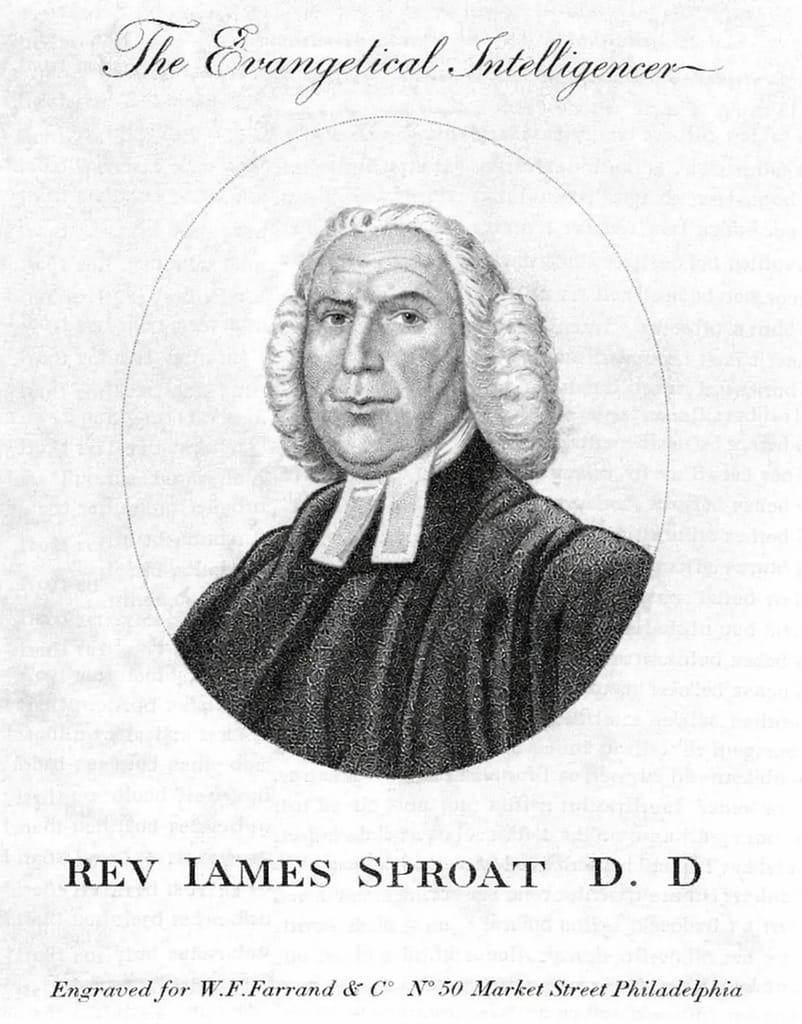
James Sproat was born into a deeply rooted New England family with long-standing ties to Massachusetts religious and colonial history. His father was Lt. Ebenezer Sproat, born in May 1676, and his mother was Experience Hawes Sproat, born on September 24, 1686. Both parents were originally from Plymouth County, Massachusetts, an area closely associated with early Puritan settlement. The Sproat family’s religious and cultural identity was shaped by this Puritan background, suggested by Experience Hawes Sproat’s distinctive given name and by the winged death’s-head imagery carved on Lt. Ebenezer Sproat’s gravestone, a symbol commonly associated with early New England Puritan beliefs.
Through his mother, James Sproat was connected to prominent colonial and transatlantic lineages. His maternal grandmother, Desire Gorham Hawes, descended from English nobility, including King John of England, the monarch who signed the Magna Carta. Desire Gorham Hawes’s mother, also named Desire, was the eldest daughter of John Howland and Elizabeth Tilley, both passengers on the Mayflower. This lineage placed James Sproat within a family network that combined early colonial settlement, religious leadership, and notable social standing. These ancestral connections help explain his later prominence within the Presbyterian Church and his acceptance into leadership roles during the Revolutionary era. He has at least one recorded son, Captain William Sproat, Fourth Pennsylvania Line, who fought in the Revolutionary War; though further research is ongoing.
Biographical Timeline
April 11, 1722
- James Sproat was born at Scituate, Massachusetts, into a family shaped by Puritan religious traditions and deep colonial roots in Plymouth County.
1741
- He completed his undergraduate education at Yale, an achievement that placed him among the educated clergy of colonial New England and prepared him for formal ministry.
1743
- By this year, James Sproat had entered the ministry of the Presbyterian Church in Connecticut, beginning his lifelong service as a clergyman.
1768
- He succeeded the Rev. Gilbert Tennent as pastor of the Second Presbyterian Church in Philadelphia, marking a significant step in his ecclesiastical career and establishing him in one of the colonies’ most important urban congregations.
February 10, 1778
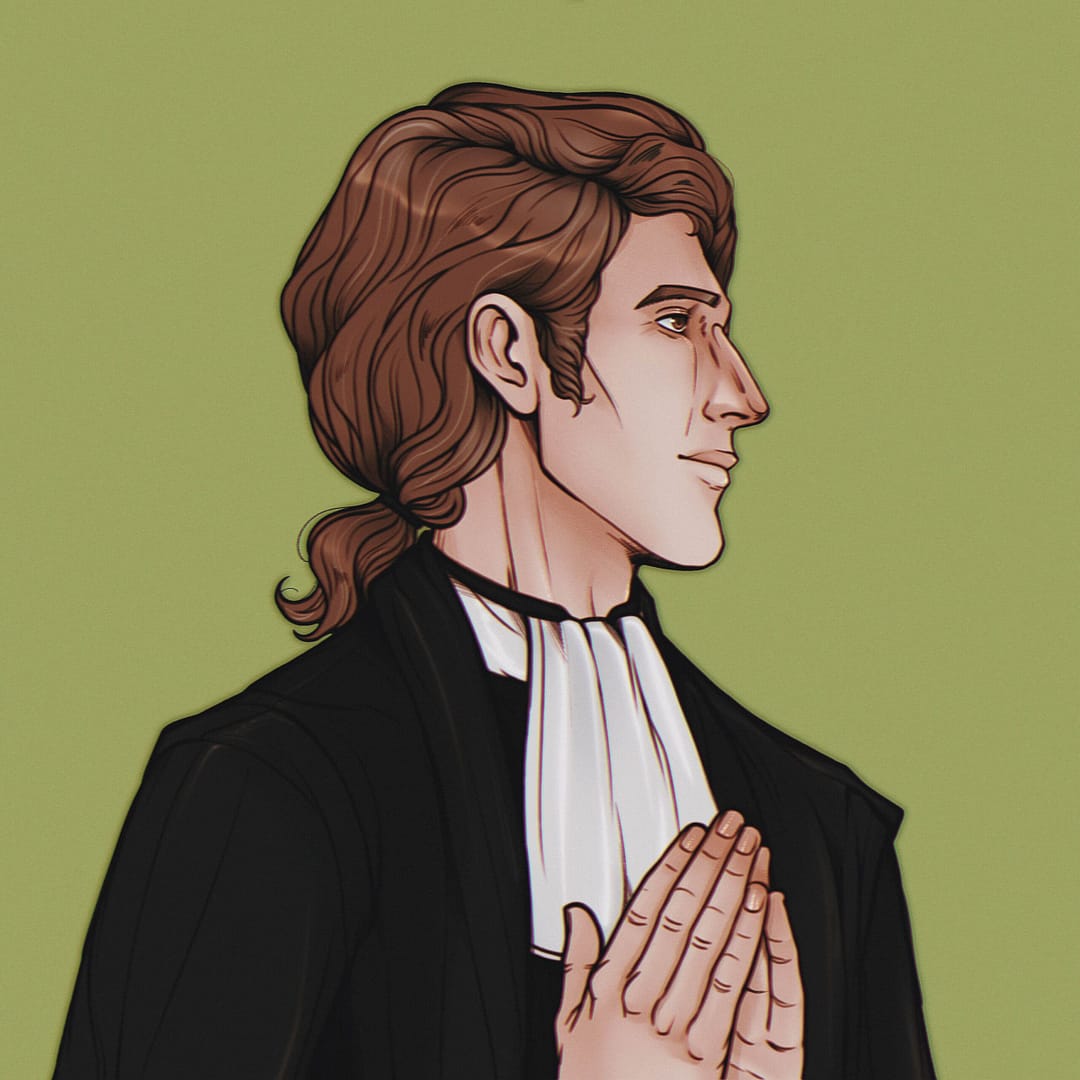
- James Sproat was elected by Congress to serve as a Chaplain for the Hospitals in the Middle Department, with responsibilities extending across Philadelphia, Northampton, Berks, Lancaster, and Chester Counties.
- This role placed him directly within the wartime medical system during the American Revolutionary period, where he provided spiritual care to sick and wounded soldiers.
1779
- During this period, he kept a journal documenting his activities, including regular visits to military hospitals, although the entries from this year focus more heavily on his work within his congregation than on hospital life.
1781
- His service as a congressional hospital chaplain concluded by this year.
- His journal entries from this period continued to record hospital visitations but lacked the detailed observations found in his earlier wartime writings.
After the British evacuation of Philadelphia (by 1781)
- Following the withdrawal of British forces, James Sproat returned to Philadelphia with his family and resumed his duties as pastor of the Second Presbyterian Church.
- Alongside his pastoral work, he continued weekly visits to the sick and wounded at the Bettering House and made regular journeys to country hospitals.
- He persisted in this work until the hospitals were gradually abandoned, with the hospital at Yellow Springs being the last to close.
1787
- By this year, James Sproat’s formal service as pastor of the Second Presbyterian Church came to an end.
October 18, 1793
- James Sproat died in Philadelphia from yellow fever, a disease that was epidemic in the city at the time.
- His death marked the close of a life spent in ministry, education, and sustained service to both his congregation and the suffering during the Revolutionary era.
Further research ongoing!
See our reconstruction of Reverend Sproat’s family tree on Ancestry.com here!