
Throwback Thursday: Making History- Faces of the 4th Pennsylvania Battalion
We Use Historical Research to Return Imagery to Lost Revolutionary Figures
Setting the Scene
Last week, in our Throwback Thursday post, we explored letters between Persifor Frazer and his wife, Polly. They were friends of Samuel and Sarah Kennedy, owners of Yellow Springs during the American Revolution. The couple started Washington Hall, the Revolutionary War hospital that still stands on our grounds. We found images of battles around Fort Ticonderoga and General “Mad Anthony” Wayne.
Wayne served as Persifor and Samuel’s superior officer at that station. Yet we face a common problem when imagining Revolutionary life for Samuel and Persifor. No surviving images show either man, so we cannot picture their appearance.
.jpg)
We had a similar problem while we explored several other Revolutionary figures from Washington Hall at Yellow Springs. To remedy that, we made hand-drawn portraits in a cameo style. These portraits show what we believe those people would have looked like.
People like Bodo Otto Jr., Rina, and Sarah Kennedy received the full research treatment. These hand-drawn images represent the culmination of our deep research into their lives. You can read more about that process here.
However, Samuel Kennedy was not one of the “playable characters” for our exhibit. Because of that, we did not make a visual representation of him. That situation applies even more to Persifor. He was very influential in the surroundings. He and Samuel were also personal friends.
Yet Persifor remained rather removed from the direct goings-on at Washington Hall on a day-to-day basis. For that reason, we did not include him. However, today we will rectify that lack of visual representation. We will also layer in the research that made these representations possible.
Tools of the Trade
To differentiate these representations from our stylized portraits that we did earlier, we will be doing digital photomanipulation to create cohesive images of the people we are representing.
This will be done using the Procreate digital art program, stock photos from websites, such as Pexels, and public domain images for reference. Photomanipulations will then be run through a filter on Picsart to give them a cohesive appearance.
We will also be using reference materials from the Moore Archives to provide additional context for our representations.
Persifor Frazer
We will start with Persifor because his lack of imagery began this journey. In the region of Pennsylvania around Yellow Springs, many people know the name “Frazer.” Persifor held great influence before and after the Revolution. The town of Frazer even bears his name. Today, however, no surviving images of him exist.
We do have a surviving image of one grandchild.
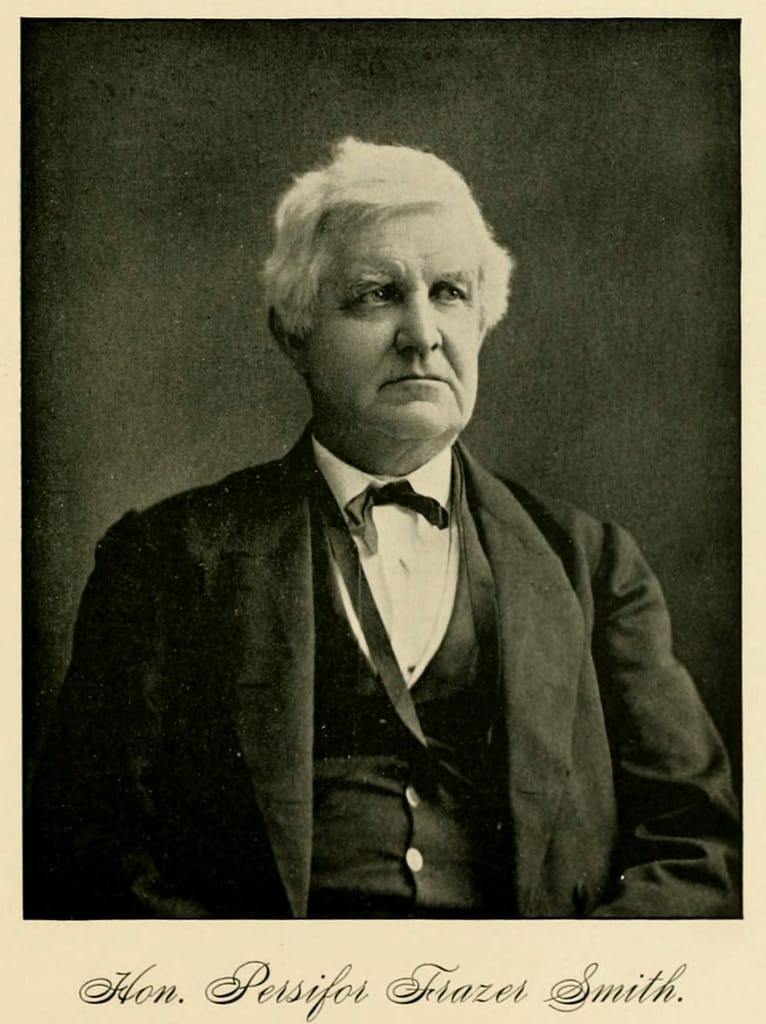
Mary Anne, the daughter of Persifor and Polly, had a son named Persifor Frazer Smith. He served as a military officer and a colonel in the Mexican-American War. He also served as the 6th Military Governor of California. A surviving contemporary portrait of him still exists and remains easy to find.
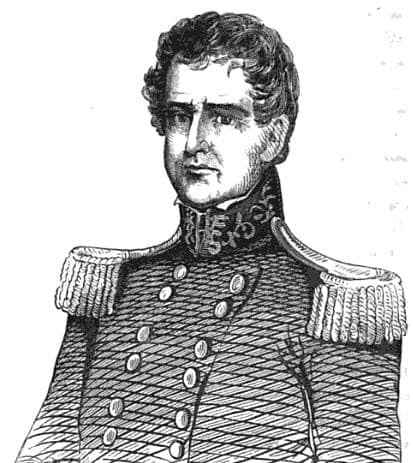

Better yet, we have access to a photograph of Persifor F. Smith from 1893, showing the real-life facial features of the man sketched above.
.png)
The artist who sketched Smith in his younger years captured his distinctive facial features well. We will use those features as a model for Persifor Frazer’s appearance. Persifor was Smith’s namesake and maternal grandfather. Of course, family resemblances never create a 1-to-1 comparison. We have no surviving portraits of Smith’s father or Mary Ann Frazer. Because of that, we cannot know which family side gave Smith those features.
However, this artistic representation uses the best information we currently have. It gives us a good starting point.
Persifor’s Attire
To learn what Persifor wore, we consulted a reference book from our archives. Persifor served as an officer in the 4th Pennsylvania Battalion. The book details well-researched American Revolution military uniforms.
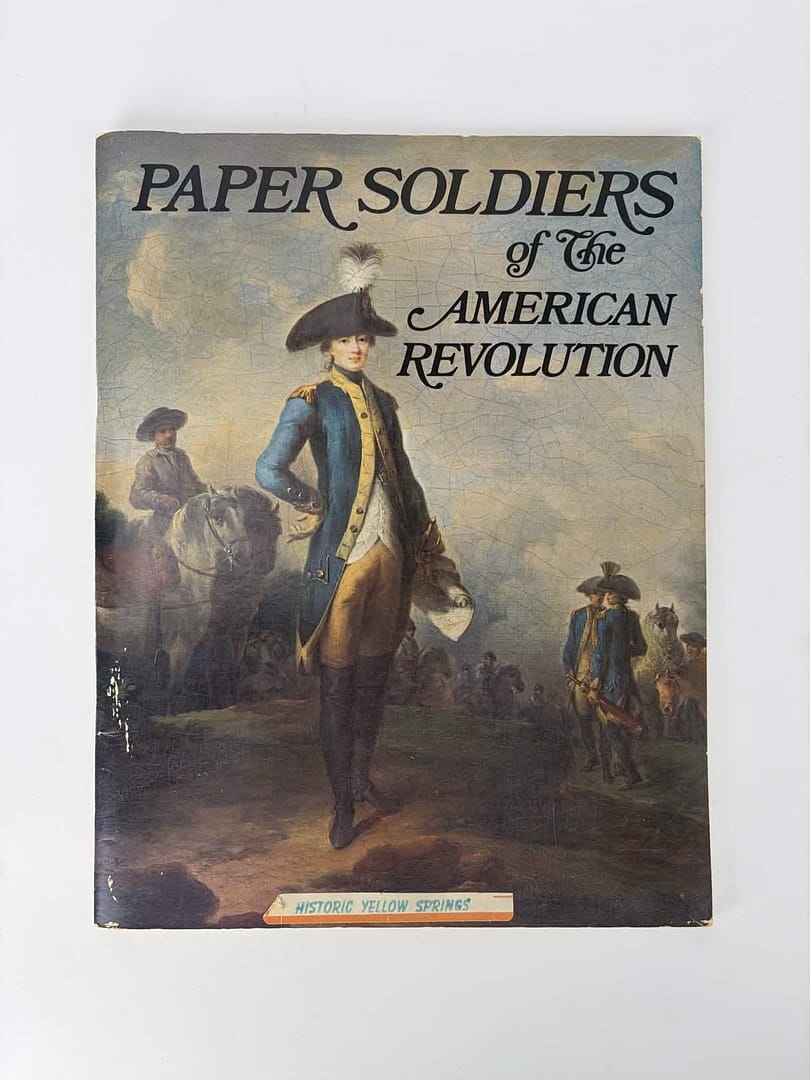
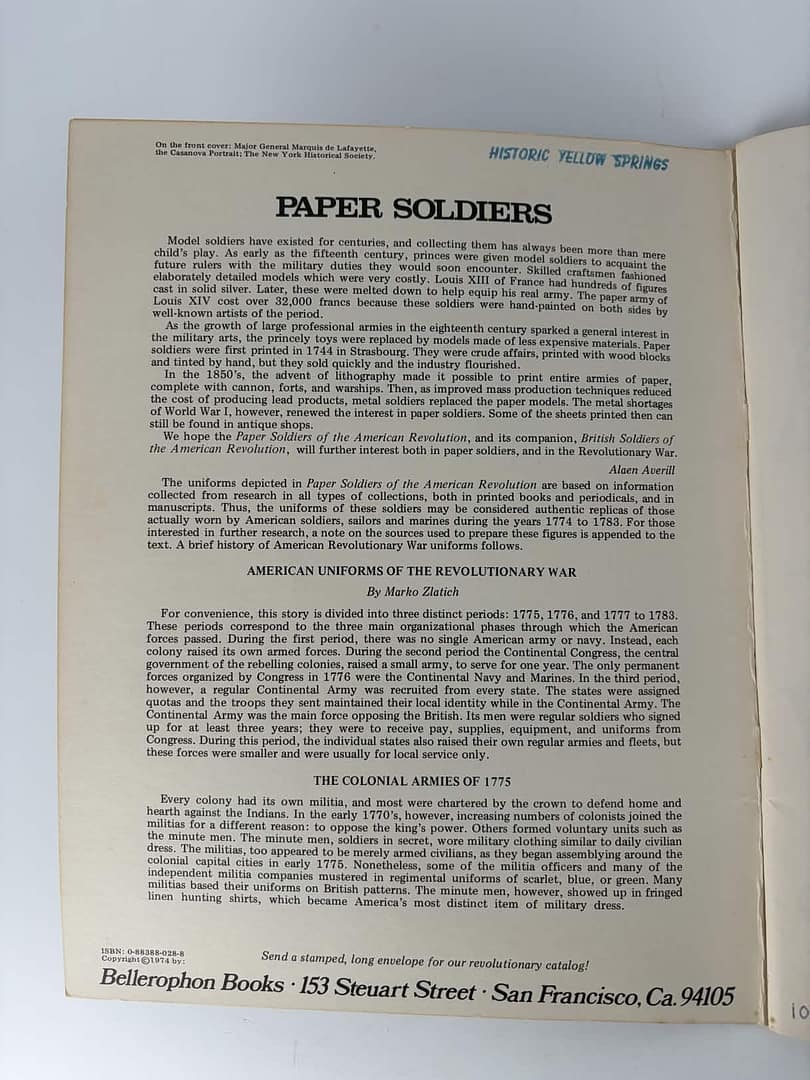
Many people imagine American Revolutionary soldiers dressed alike. In reality, the army organized itself well under difficult conditions. Different battalions wore distinct uniforms and used different styles. These differences identified troops and comrades. Persifor mentioned these differences in several letters. He especially noted differences early in the war. We only have references for what privates in the battalion wore. Persifor served as an officer, so he dressed very differently.
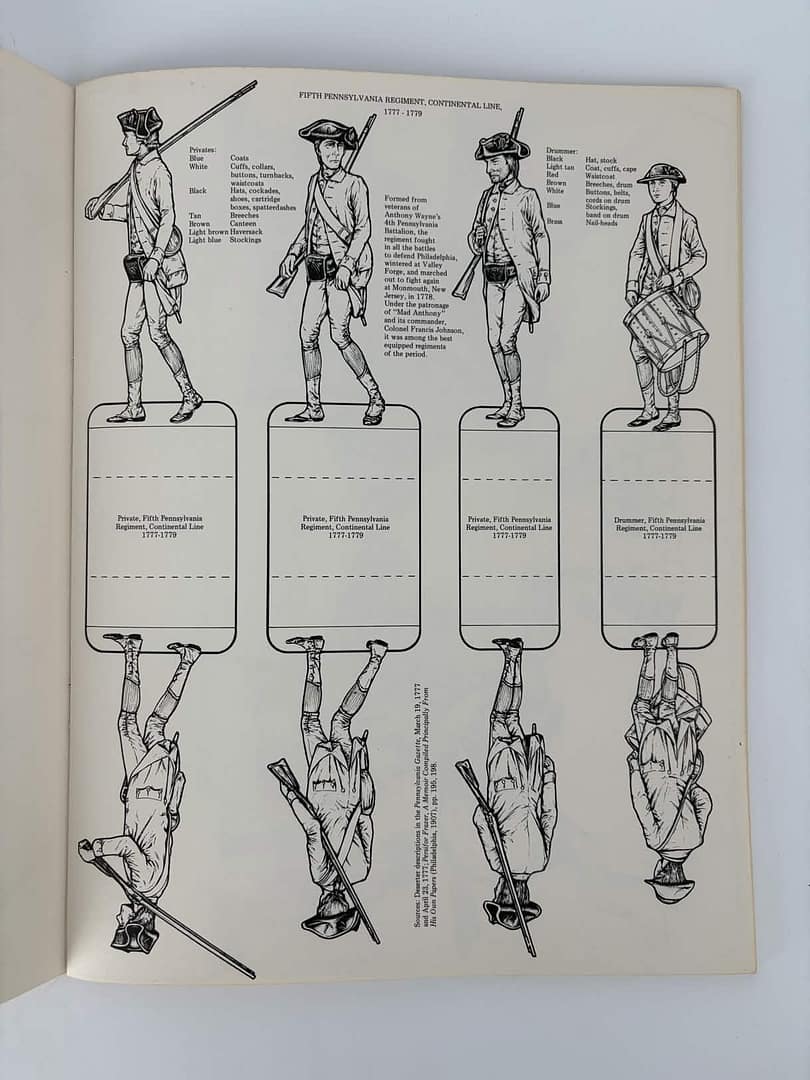
The only Pennsylvania battalion page in the book shows the 5th Pennsylvania Battalion. It does not show the 4th. However, Zlatich explains that the 5th Battalion included veterans from the 4th. Their uniforms likely looked very similar.
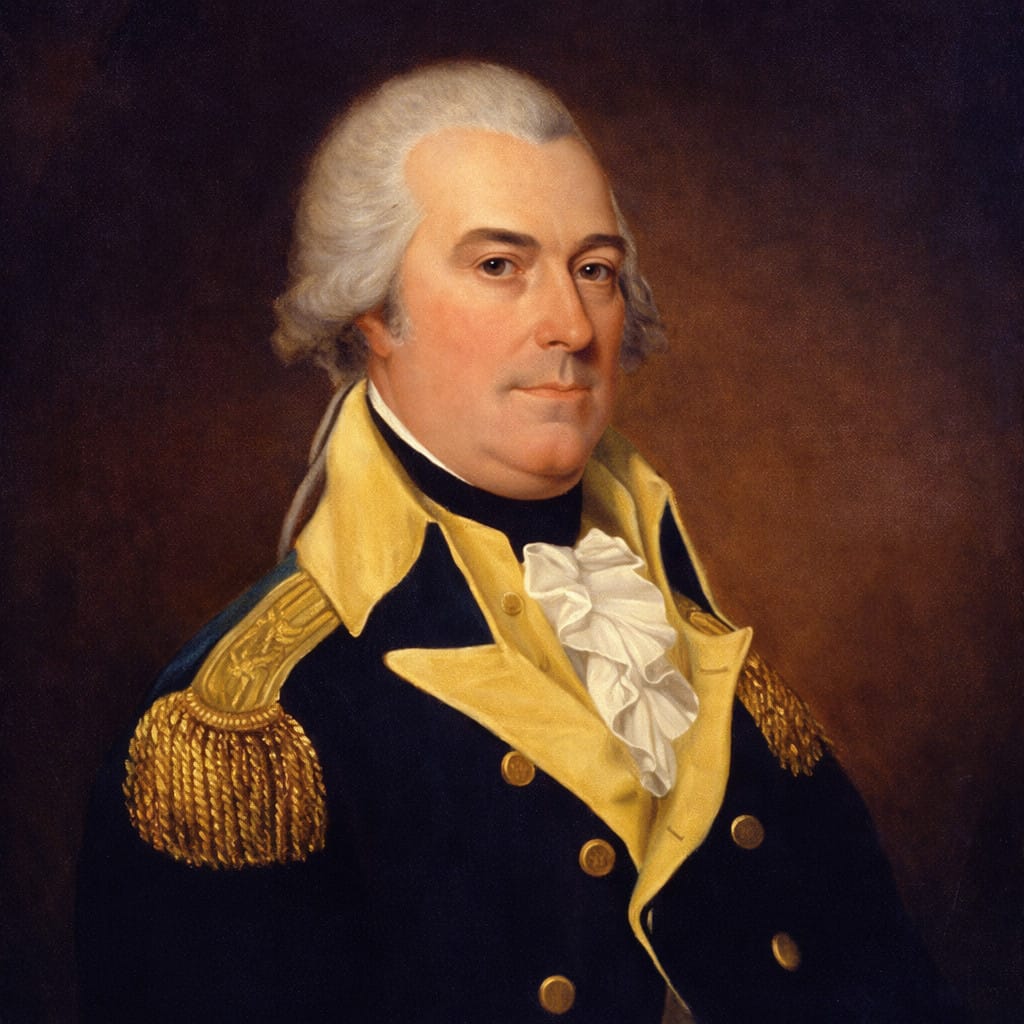
Our search then met a snag. We found no publicly accessible portrait of a 4th Pennsylvania Battalion captain. The closest image shows a sergeant from the 4th Company, 1st Pennsylvania Battalion. That image dates from 1775 to 1776.
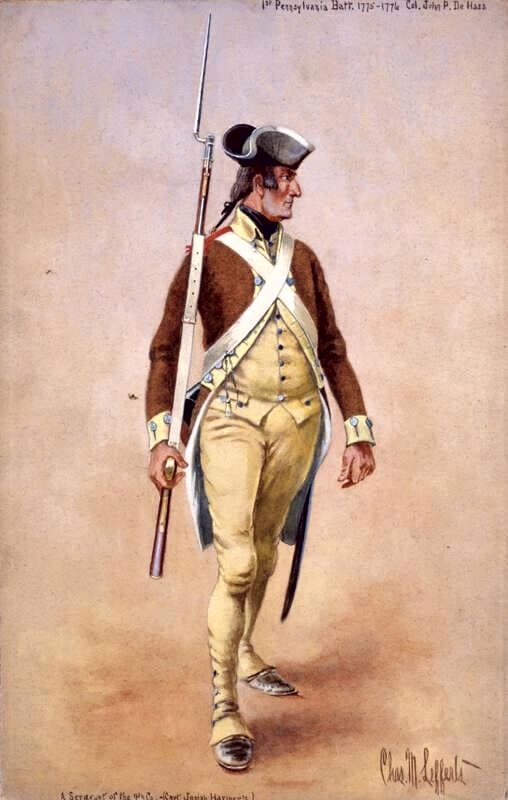

A sergeant ranked below a captain. Still, we can estimate Persifor’s attire. We used that image, Zlatich’s 1974 book, and other contemporary images. One image below shows an unnamed officer from 1778.
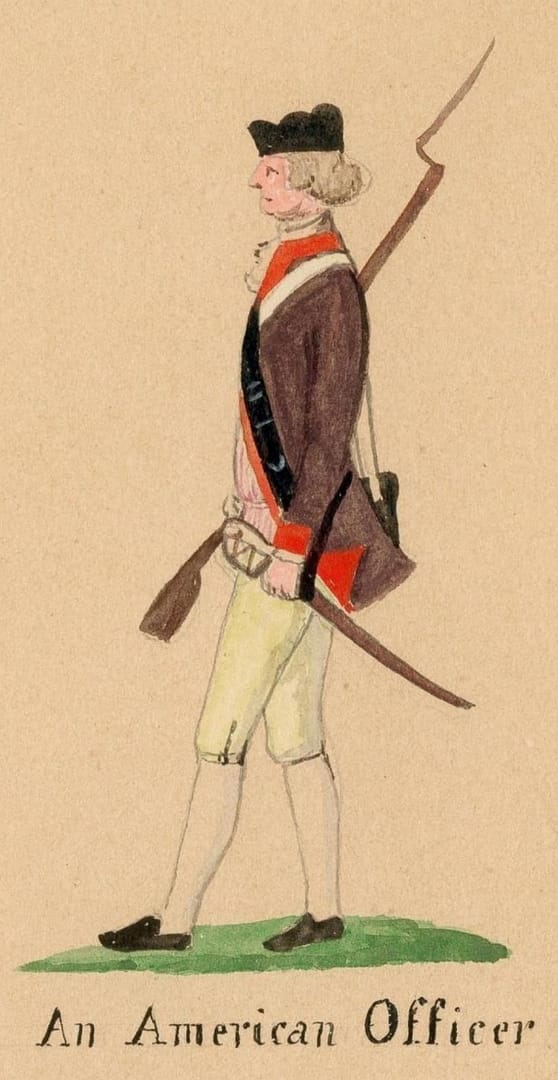

Persifor, Reimagined
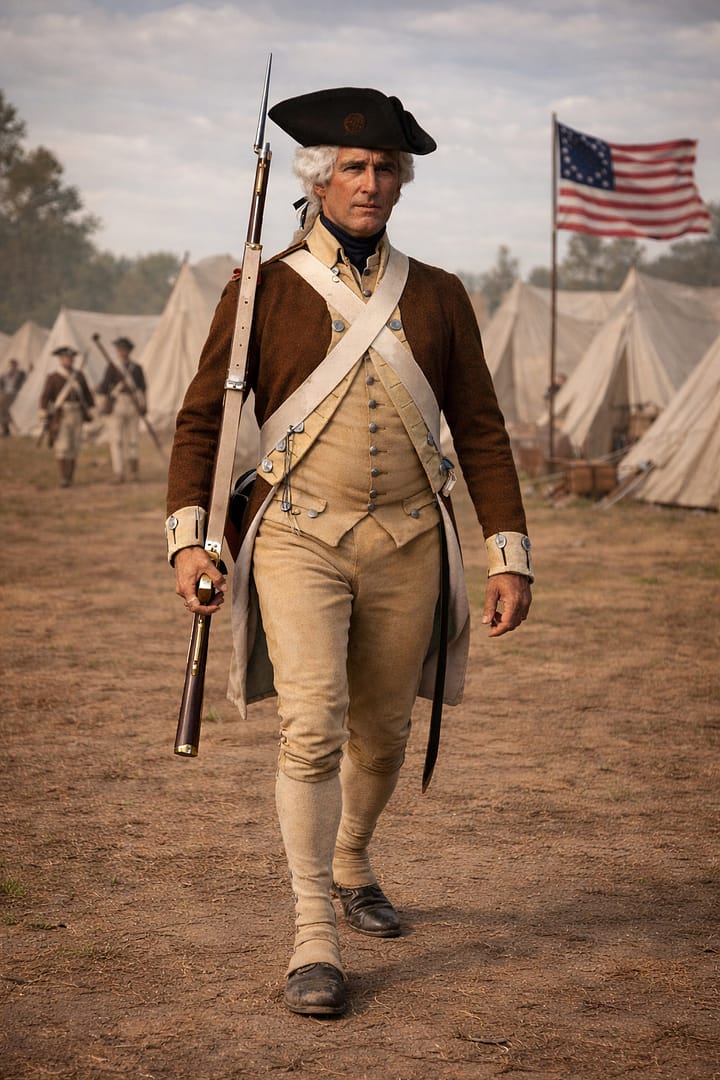
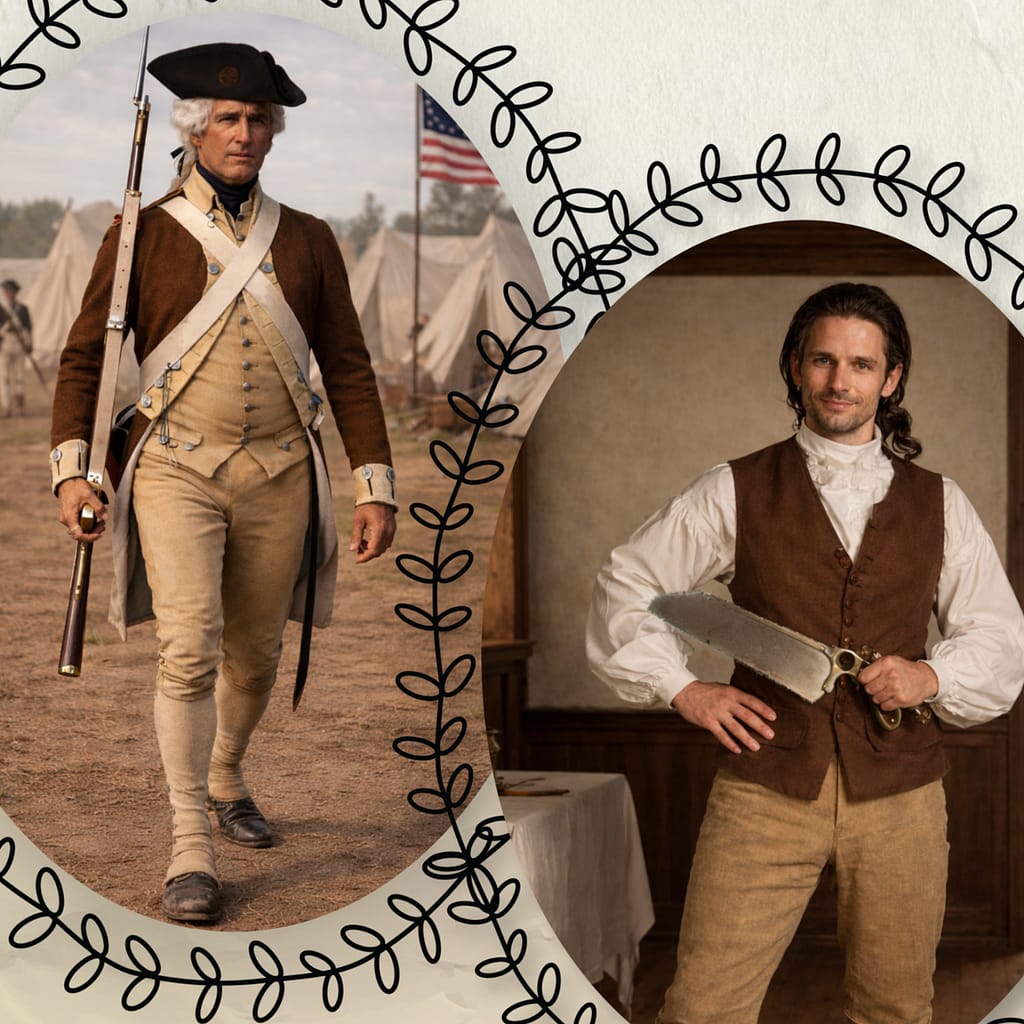
In this image, we have placed Persifor at the Ticonderoga camp, and given him a uniform that matches the references we have had access to. Additionally, we have given him a powdered wig and a tri-cornered hat, as this seems to have been common with officers of his stature, especially in 1776.
Samuel Kennedy
Samuel Kennedy is one of the most well-known figures from the Revolutionary Era at Yellow Springs by now, as we have delved deep into his life, letters, and records while reconstructing life at Washington Hall. That being said, we do not have any imagry of him either, so we are doing a similar process as with we did to Persifor Frazer above to reimagine him today.
While Samuel was part of the Fourth Pennsylvania Battalion, he was a member of that group as a doctor. Because of this, and because of his status as a gentleman, we will not be depicting him in uniform. When we look at available imagery from the same time and place, looking at portraits of country gentlemen of the planter class from around Philadelphia, we have found a wealth of portraits using the Metropolitan Museum of Art’s online public domain image catalog. A few examples can be seen below.
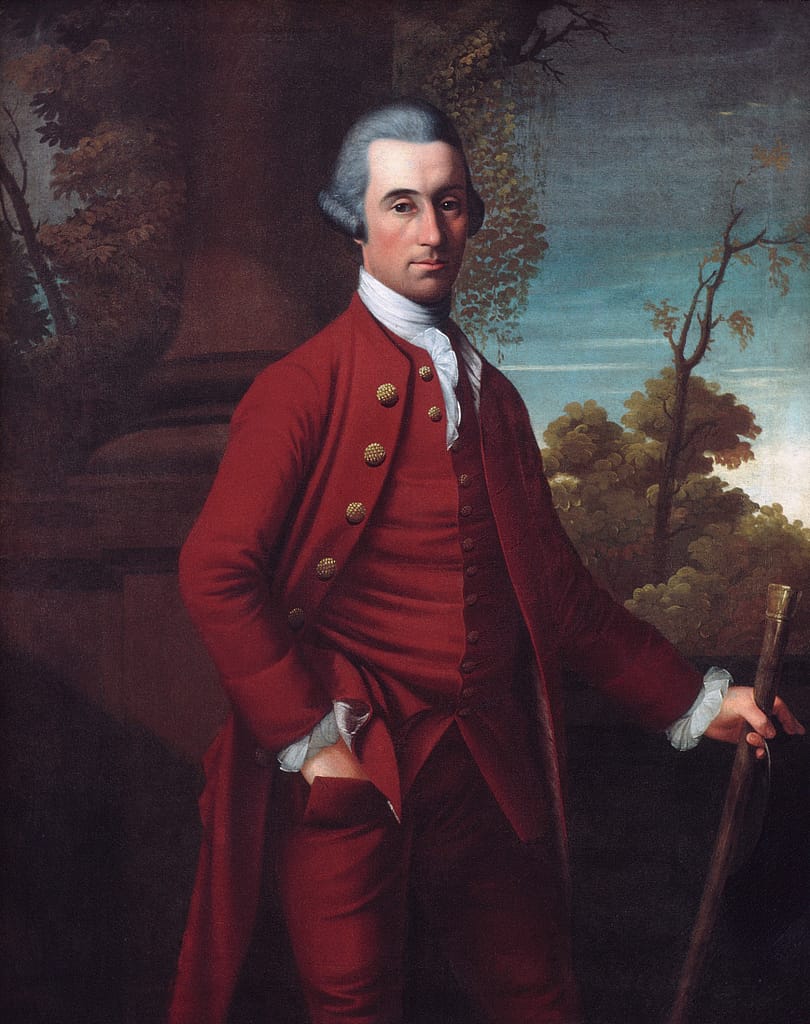
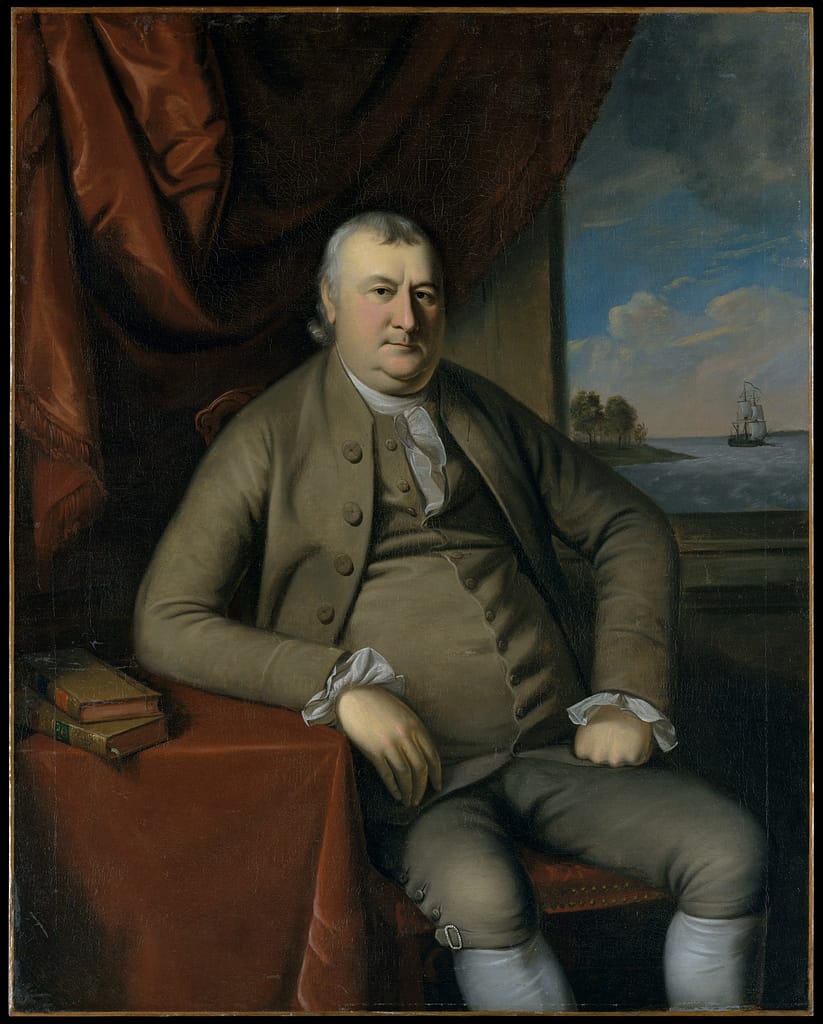
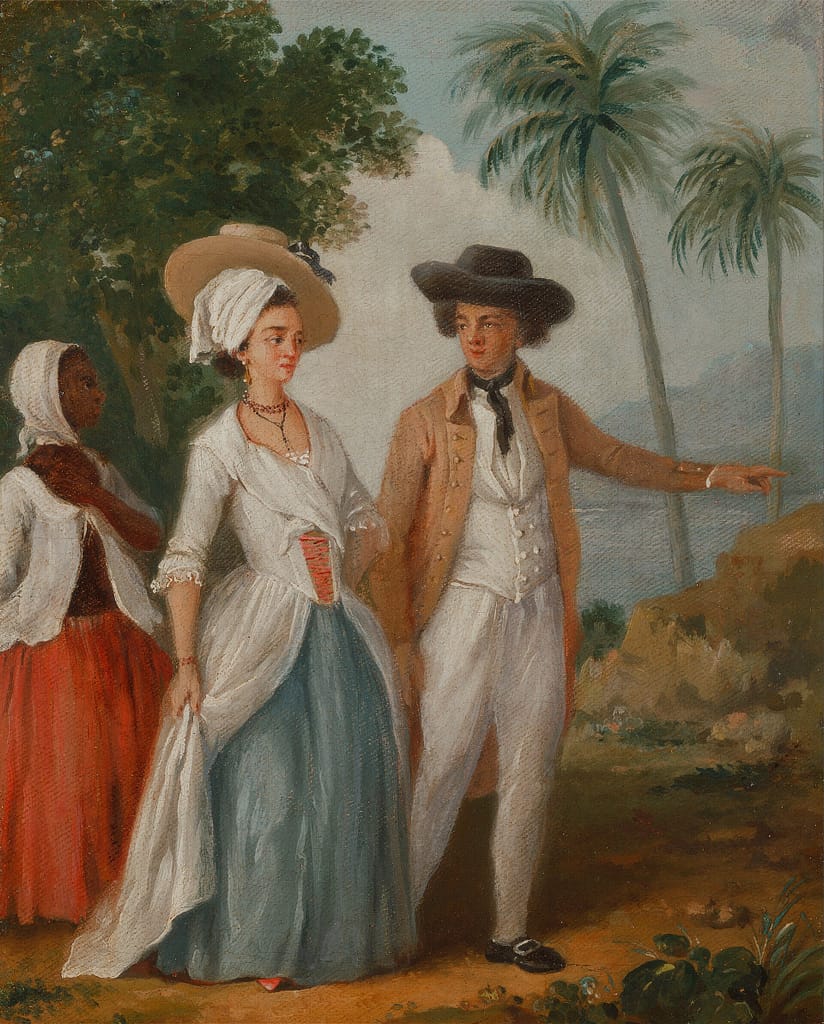
We can combine these images with depictions of planter-class people, as we knew the Kennedys were. An example of one is below, though it appears to take place on an island, likely in the Caribbean.
Though this may seem very separate from the Kennedy family, it is important to recall that many members of the planter class- such as George Washington, who famously caught smallpox while in Barbados, had connections with the colonial plantations out on the island. In many cases, these planters from the Caribbean and the Philadelphian gentlemen that we show above would have run in similar social circles or could have been the same person. Owning multiple properties in many different places- as we know that the Kennedy family did- was a very common occurrence.

Though we have no surviving portraits of Samuel, we know a bit about what he would have looked like thanks to John Rose and the research of Mardee de Wetter when she was writing Incognito: An Affair of Honor, a book that retells the story of John Rose during his time in exile during the American Revolution. De Wetter mentions that Dr. Samuel Kennedy was recalled by John Rose as a slight, willowy man, with dark hair.
Knowing what we know about Samuel’s life story and his heritage, being of both Scottish and Irish descent, this coloration makes sense, and will allow us to reconstruct an image of him that is as close as possible to what he might have looked like in life from the material that we have access to.
Samuel, Reimagined
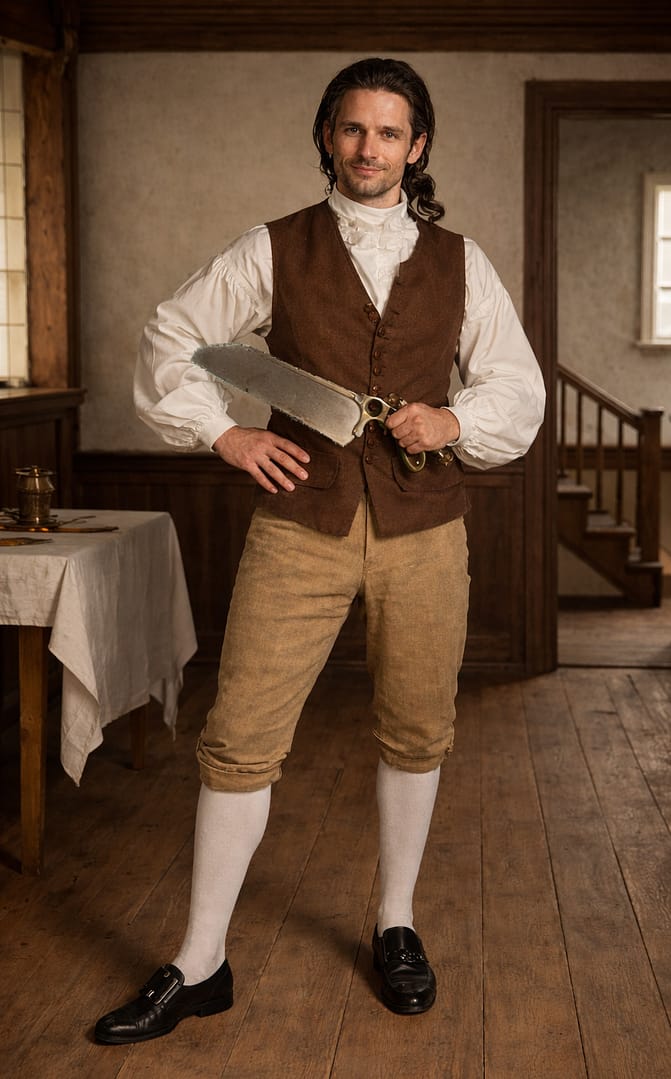
In this image, we have given Dr. Kennedy a bone saw, and gave him a smile, due to his reputation as a kind and caring man, especially to his patients. We have given him the sort of suit that a 18th century gentleman would have worn, but we have removed the overcoat to give him a slightly more “working” appearance.
To Us, Today
Recreating images of influential figures from the Revolutionary era, who lack surviving portraits, such as Samuel and Persifor here, matters because it restores a human dimension to local history that would otherwise remain abstract.
These men shaped the communities we still inhabit, yet without visual representations, they risk fading into names on a page rather than people who lived, acted, and made decisions that still affect us.
Careful research into what they most likely looked like is essential because it grounds these reconstructions in historical reality rather than imagination alone. As members of the planter class, they belonged to a social group that often commissioned portraits, which makes the absence of surviving images even more striking and worth addressing with accuracy and care.
When we look back at the Revolutionary War era, and when we look back at the Kennedys and the Frazers and Washington Hall, we are not only studying events but also trying to understand the individuals who carried them forward. Visuals help bridge that gap by making the past more immediate and relatable. Seeing a face invites empathy and curiosity in a way that text alone cannot, allowing us to better grasp the stakes, identities, and experiences of those involved.
In this way, recreating their likenesses does more than fill a historical gap; it strengthens our connection to the past and deepens our understanding of how local history continues to shape the present.
📜 🪶 🏕️
Learn more about the history of Yellow Springs
You can read the more in-depth version of this post here
Follow us on Substack, Instagram, and Facebook
📜 🪶 🏕️