Radical Compassion: Art as Social Action
When
May 25th – August 9th 2026
Where
The Lincoln Building at Historic Yellow Springs
Tickets
Free and Open to the Public
Key Exhibition Dates and Events
May 25: “Quiet” Opening – no gathering planned
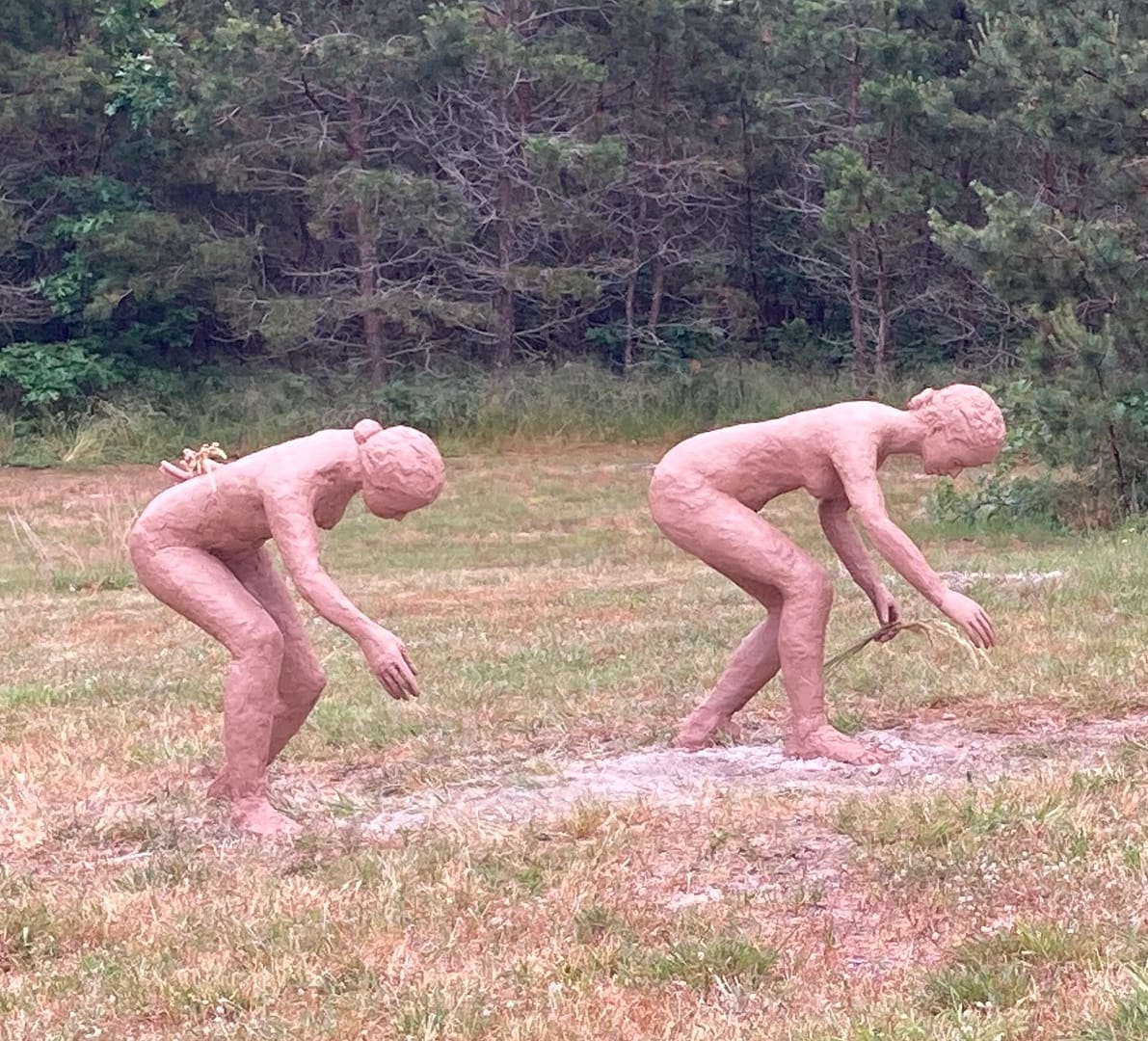
May 31: Opening reception, 1-4pm, that includes “Poses of Labor” Community Build with Laura Frazure, weather permitting
June 7: Jazz at the Springs, 3-6pm
July 14: Exercises for the Quiet Eye free with registration required with Dr. Annie Storr, Noon- 2pm and 2-4pm; in person workshops
July 14: Gallery Discussion: Radical Craft: Artisans and their Expression of American Freedoms free event with Dr. Annie Storr, 4-5pm
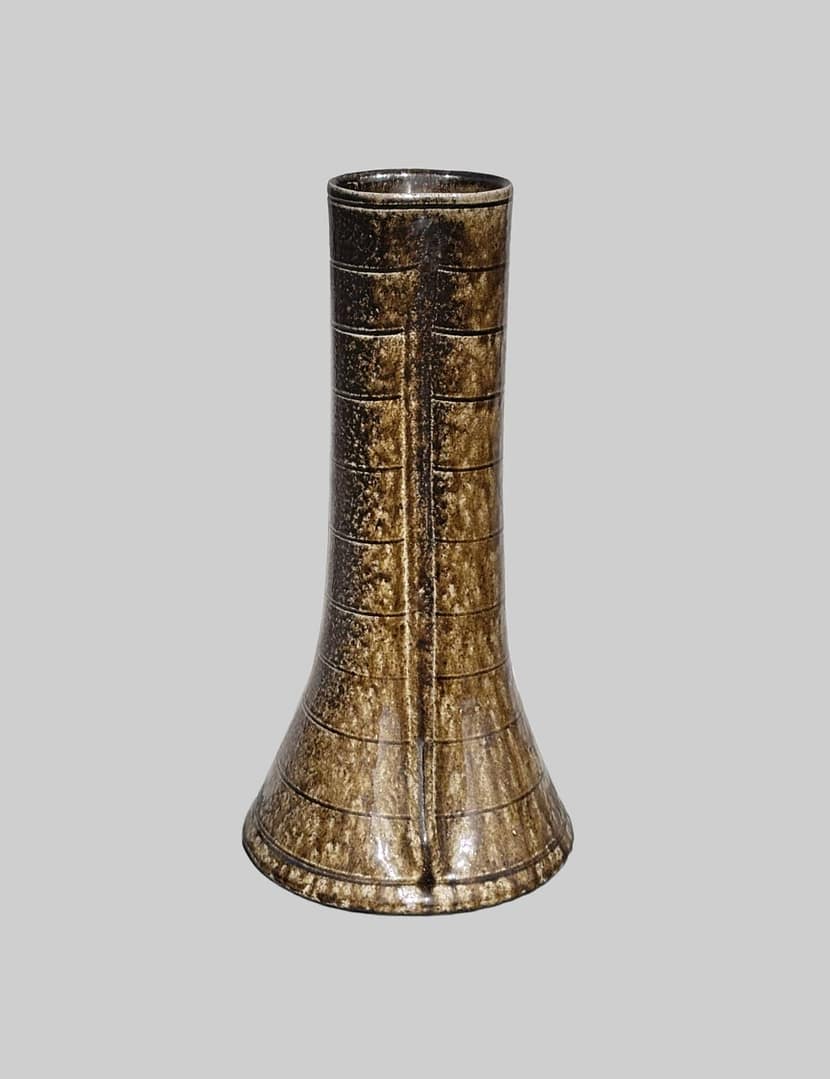
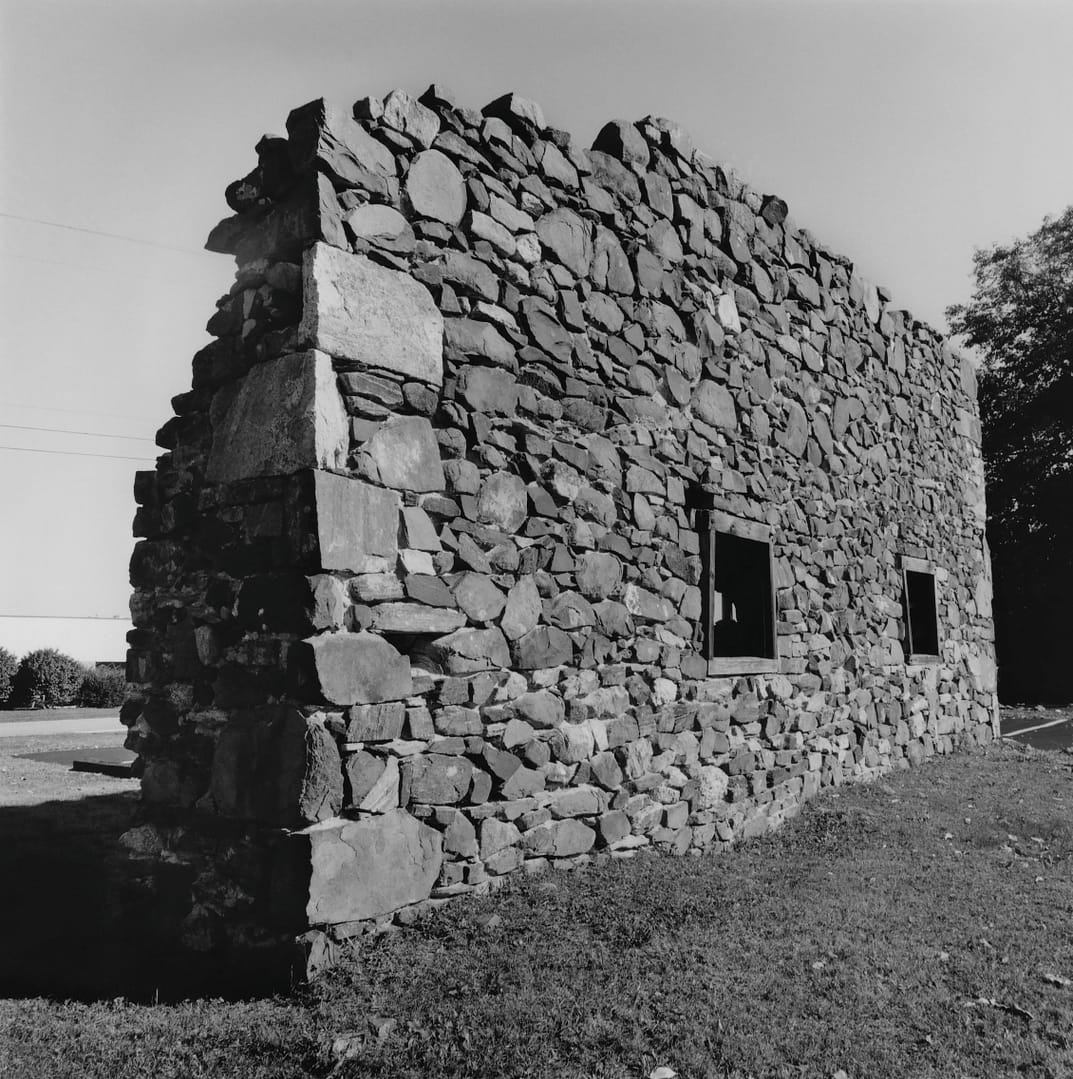
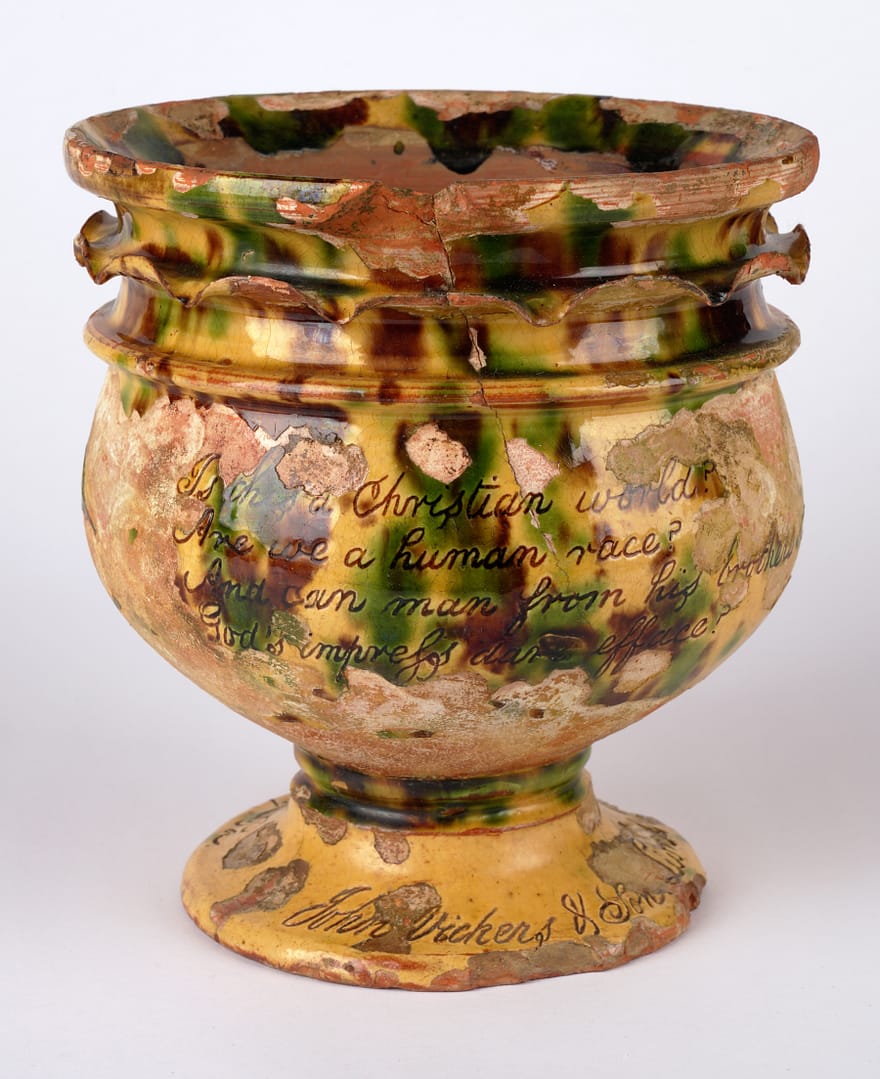
July 28: “America 250: Clay, Compassion & Community Dinner” – at the White Dog Cafe in Chester Springs – the original pottery, farmstead, and UGRR station of John Vickers, Quaker-abolitionist-potter and inspiration for Radical Compassion, 5-8pm, Tickets are limited
Aug 2: Closing Celebration A full day of free events
– An “Empty Cups” to enjoy Switchel, or “haymaker’s punch,” an old-fashioned electrolyte summertime drink that farmers, including “bluebird potters,” likely drank during long, hot days of labor, such as haymaking. Benefiting Lundale Farm, 10am-4pm. Have some switchel while you attend:
– Exercises for the Quiet Eye with Dr. Annie Storr, 10am – noon
– Panel Discussion featuring experts on the objects and history related to the show, 1-2pm
About the Exhibition
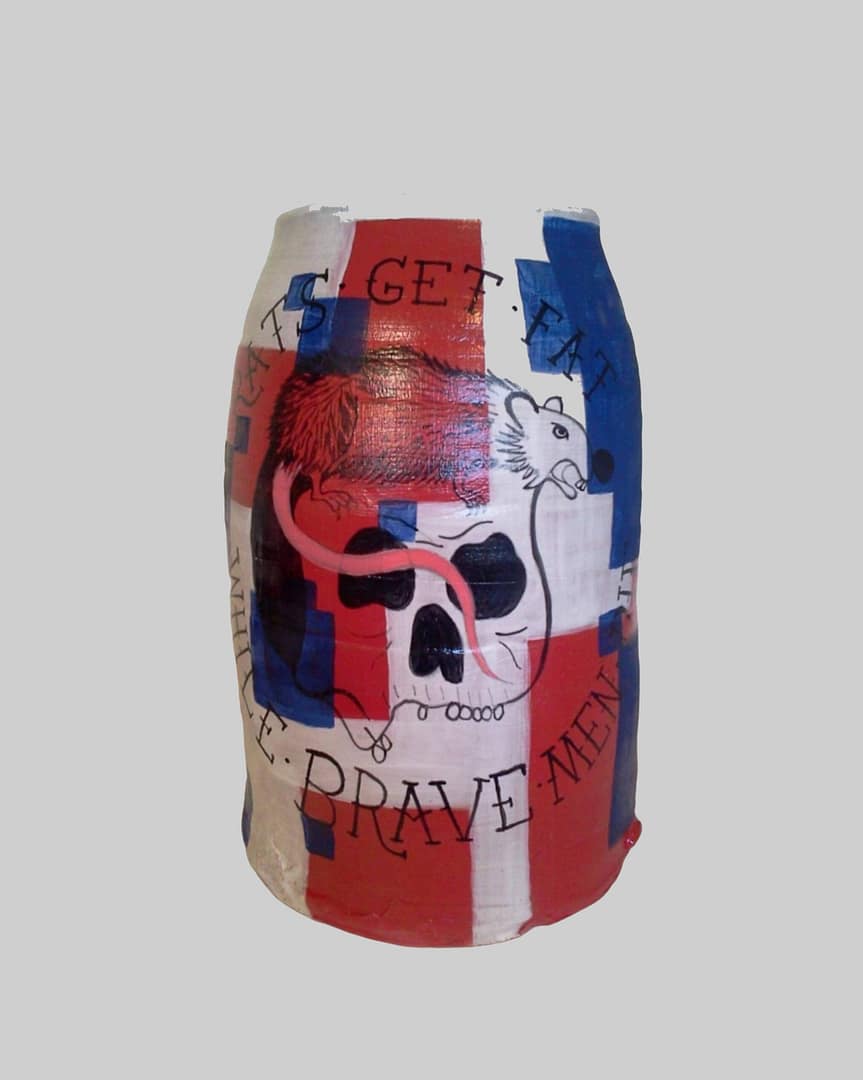
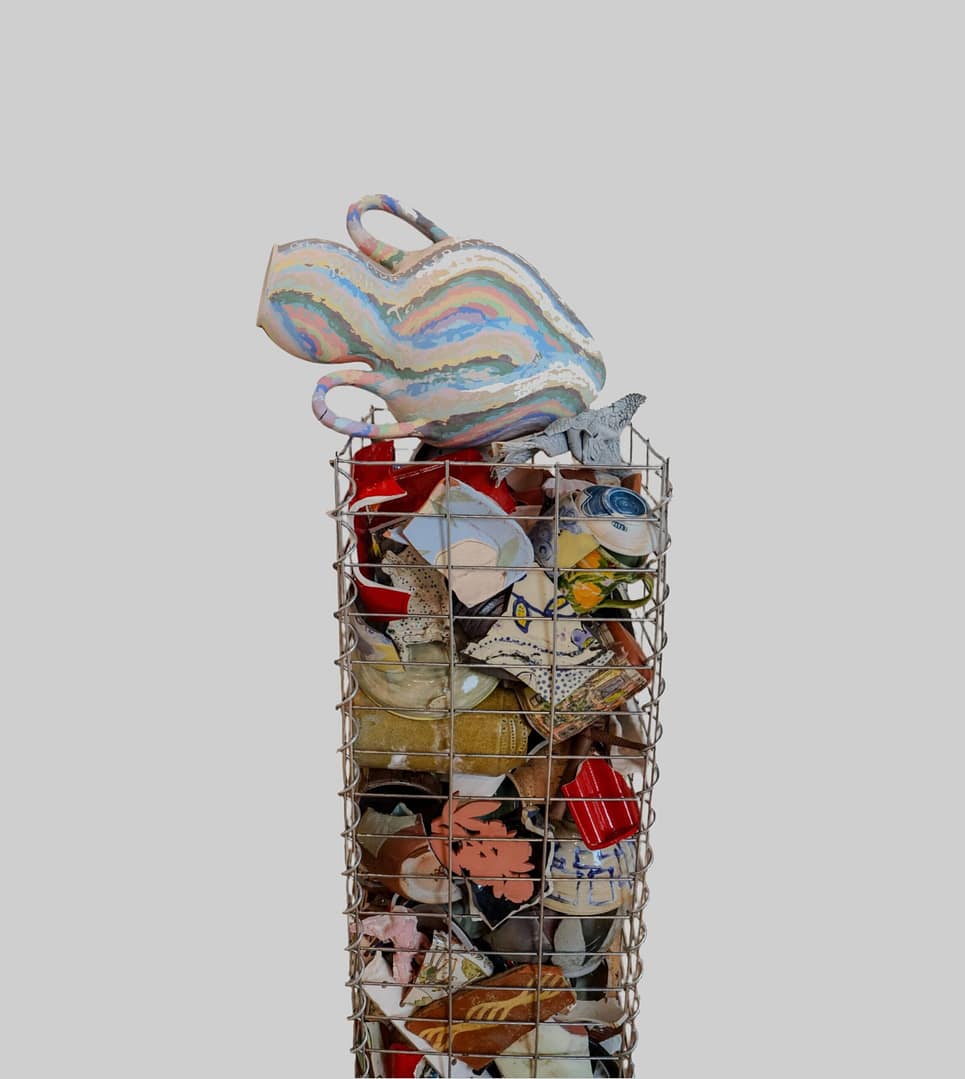
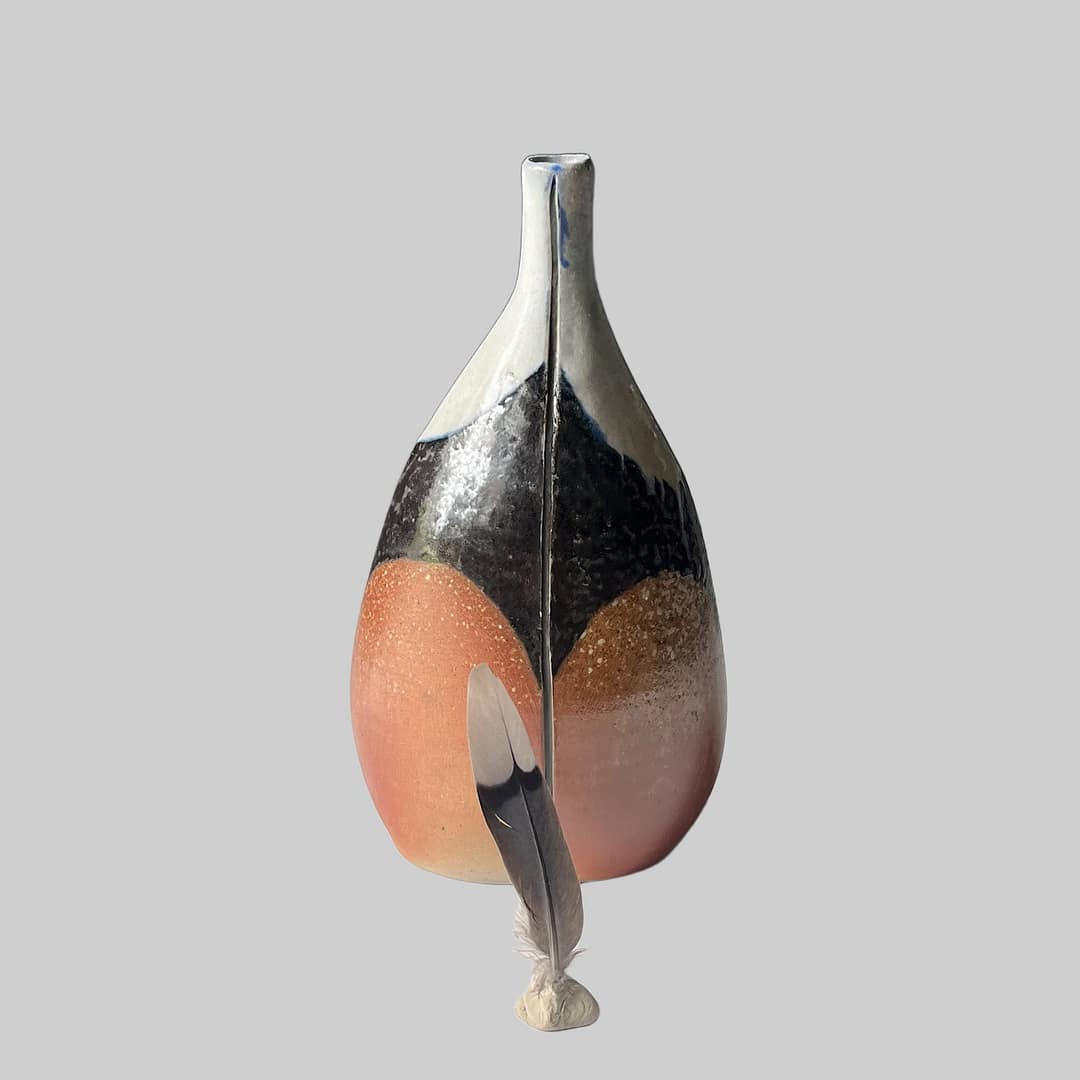
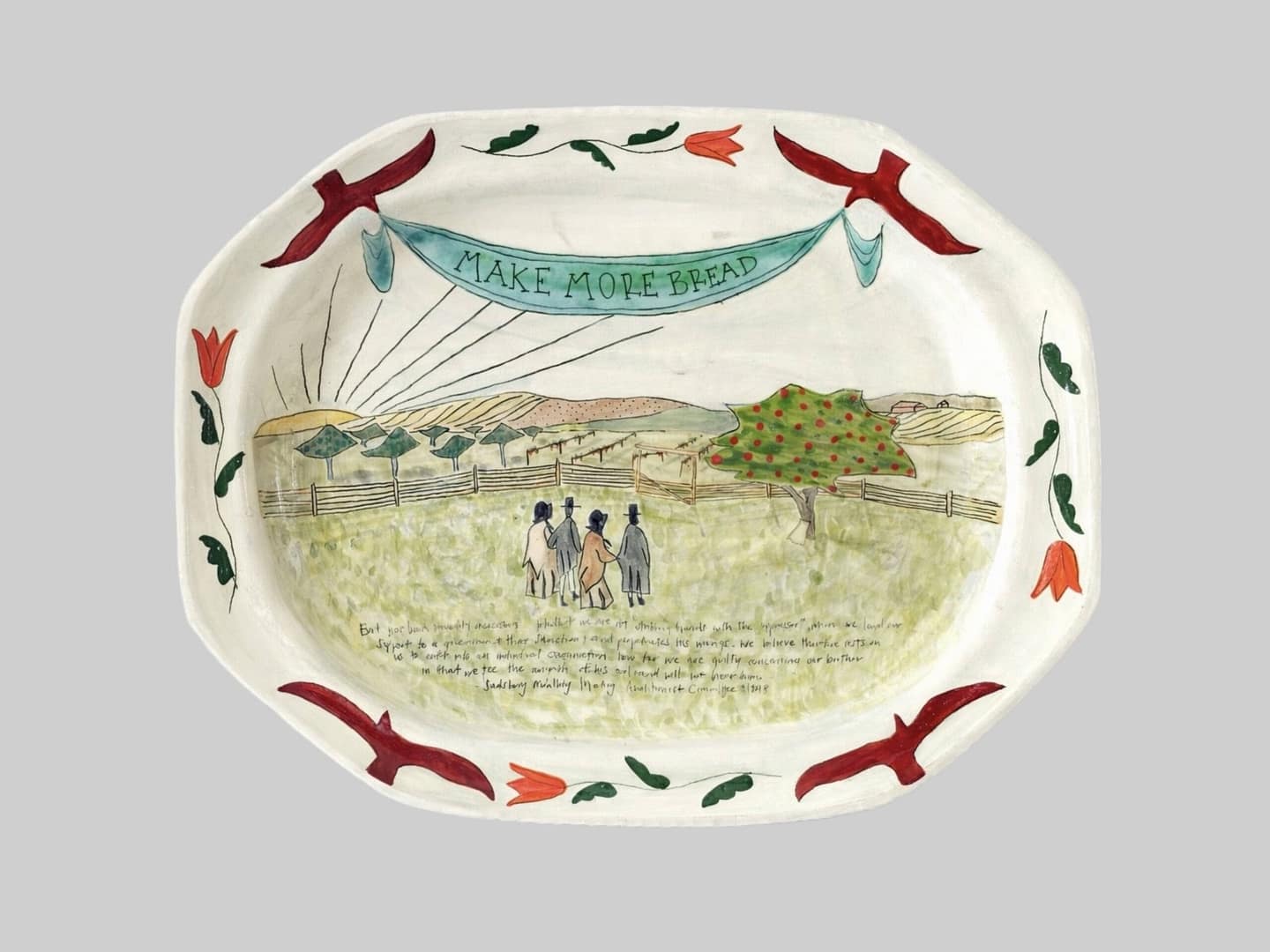
Presented at Historic Yellow Springs in Chester Springs, PA from May 25 – August 9, 2026, Radical Compassion: Art as Social Action brings together historical and contemporary artists whose practices center on connection and shared responsibility. Grounded in Chester County’s Quaker, abolitionist, ceramic, and Underground Railroad legacies, this exhibition considers the word “radical,” from the Latin radicalis, meaning “of or having roots,” as a term historically associated with confronting the root causes of injustice and sweeping departures from traditional views. The word compassion is defined as “not only a consciousness of others’ distress, but a desire to alleviate it.” Radical Compassion asks viewers to consider how art, through use, exchange, and encounter, can serve as a vehicle for compassion, accountability, connection, and social imagination.
This exhibition is part of Radical Americana, a city-wide project organized by The Clay Studio that unites Philadelphia’s arts & culture institutions in a series of 25 exhibitions. In response to the Semiquincentennial, this project showcases artwork inspired by the art and history of Philadelphia in 1776, and the subsequent commemorations in 1876, 1926, and 1976.
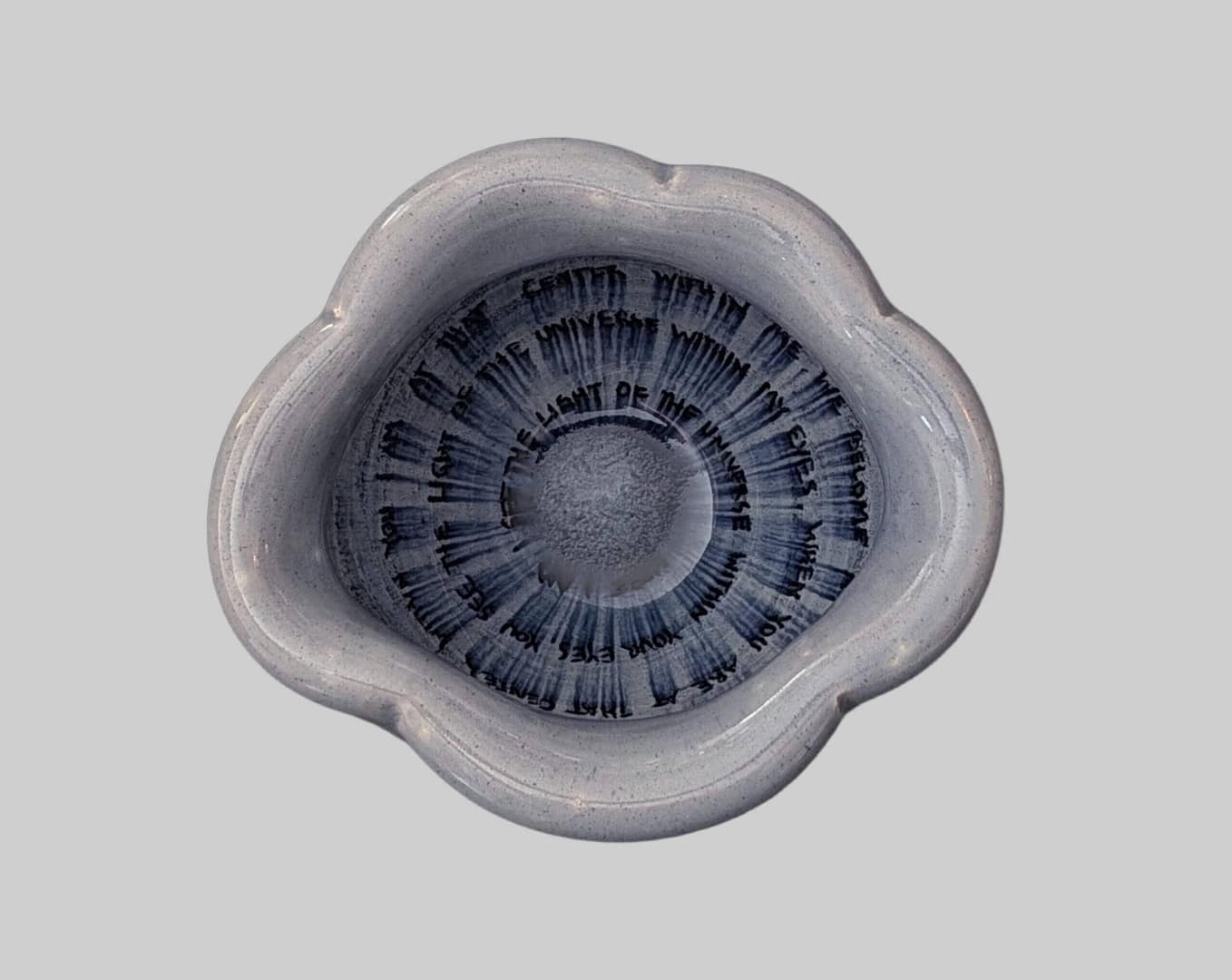
The U.S. Declaration of Independence asserts that “All men are created equal” and endowed with “certain unalienable rights,” including “life, liberty, and the pursuit of happiness.” Quakers, who believe that the “Inner Light” of God is within every person and are therefore equal, were among the first to point out the contradictions between these ideals and the continued oppression of women and enslaved people. Abolitionists’ calls for compassion, immediate emancipation, and full equality were frequently dismissed by the majority population as impractical, subversive, or “radical” departures from accepted social norms, and activists often encountered hostility and violence. This was a time when even the simple act of people of different skin colors and genders sitting together in the same room was widely considered radical.
Drawing from 19th-century archival content at the Chester County History Center, the Historical Commissions of Uwchlan Township and West Vincent Township (Isabelle Travaglini’s historical research), Swarthmore College Friends Historical Library, and HYS, curators Lyla Kaplan, Tim Compton, and Dr. Tara Tappert assembled a group of artists whose work operates as contemporary tools to imagine and hope for a more compassionate and connected future. Special thanks to Peggy Hartzell and Lee Wisdom.
How do small acts of compassion build into lasting change?
Emerging themes include:
- Grounding compassion, participation, and shared humanity in reflection and belief
- Challenging systems of power through collective practice
- Confronting the consequences of action and inaction, and the realities of harm and violence
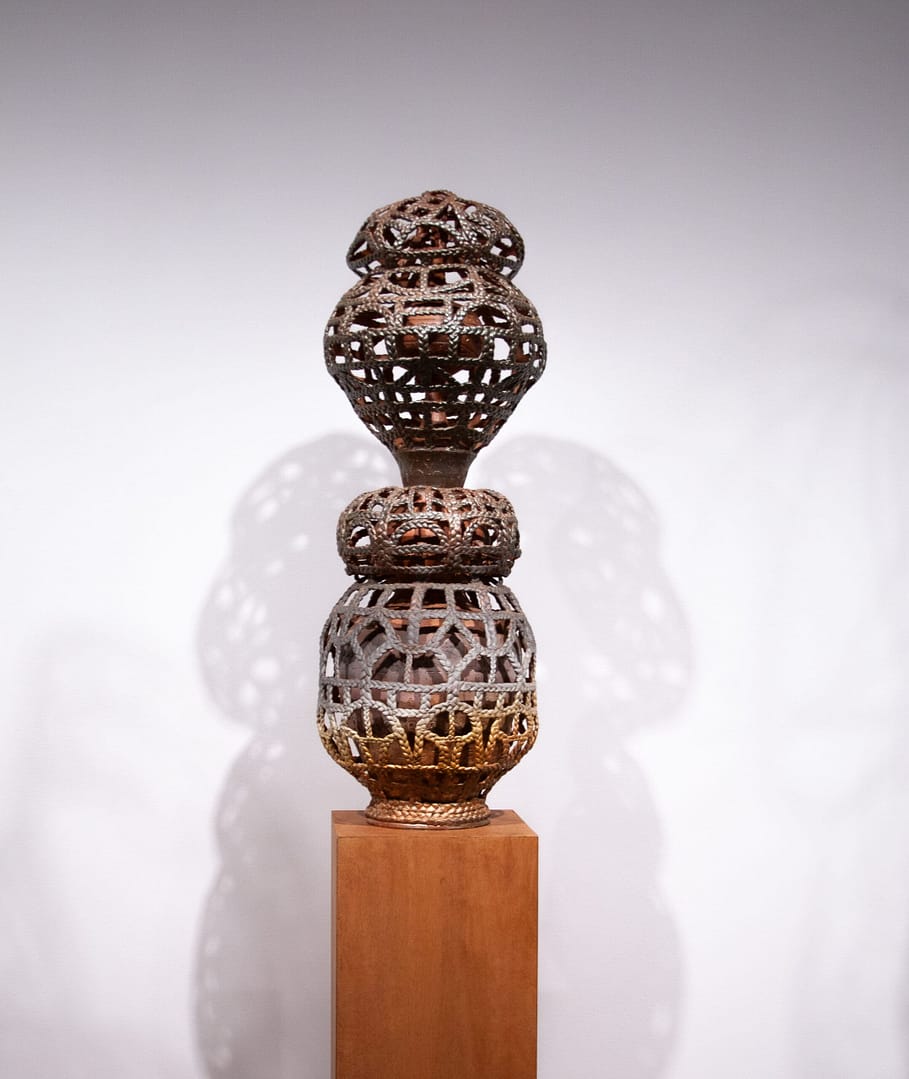
- Engaging the craft tradition of function and use, where making and labor foster connection and care
- Exploring lived experience as part of broader systems of memory, resilience, and compassion
with Presenting Support from